He Lost His Teeth, His Freedom, and His Reputation — Then Made His Best Music Ever
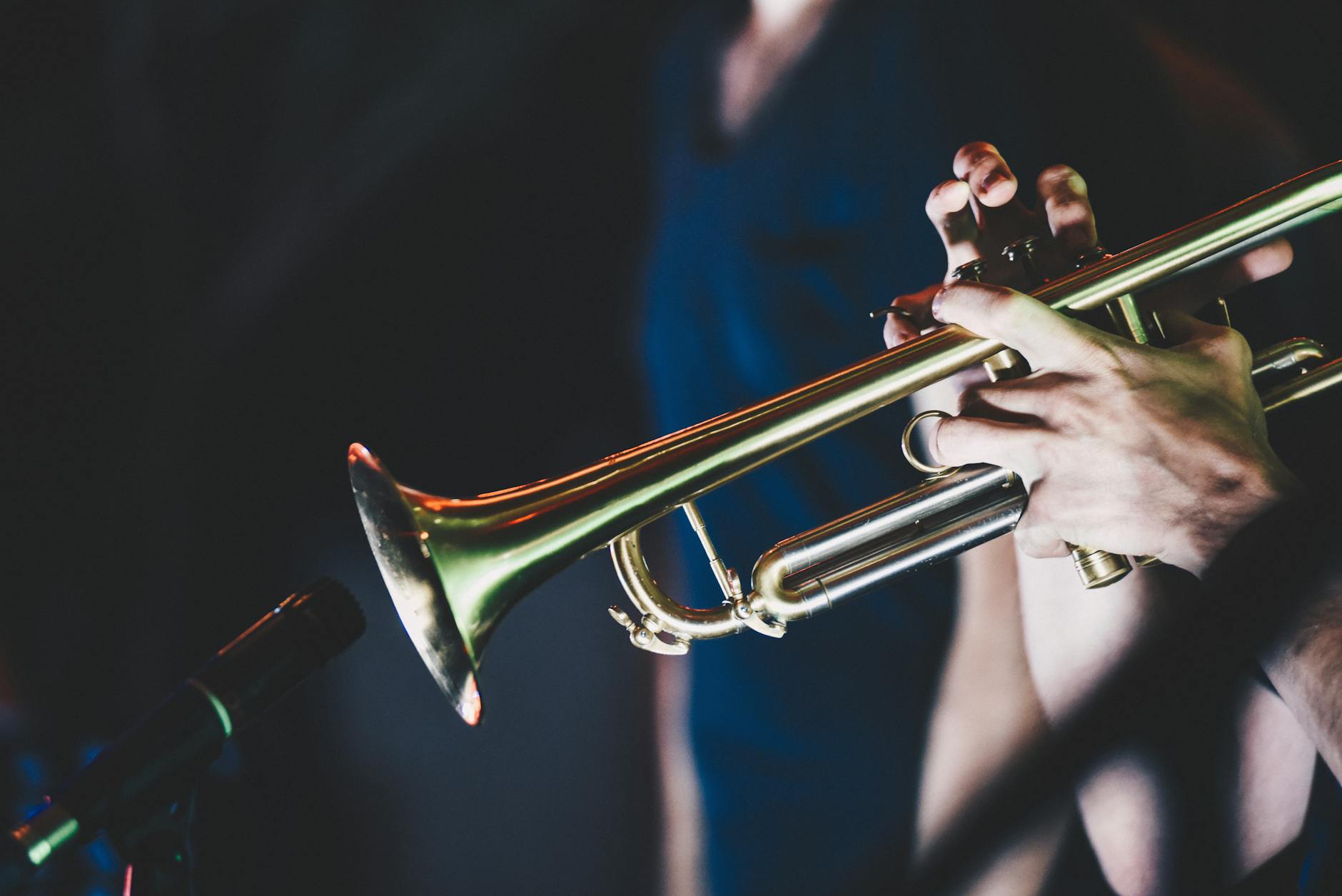
He Lost His Teeth, His Freedom, and His Reputation — Then Made His Best Music Ever
There's a photograph of Chet Baker from 1954 that looks like it belongs on a movie poster. Sharp jaw, heavy-lidded eyes, trumpet pressed to his lips like a prayer. He was twenty-four years old, already being called the next Miles Davis, and his version of My Funny Valentine was playing on jukeboxes from Los Angeles to New York. The world had decided Chet Baker was going to be a star.
The world was right. It just had no idea what kind of star, or how long the road would be to get there.
The Rise, and the Fall That Followed
Baker grew up in Oklahoma and California, the son of a musician father who never quite made it. He learned to play by ear, almost entirely self-taught, developing a tone so clean and emotionally direct that it practically bypassed the brain and went straight for the chest. By his mid-twenties he had a recording deal with Pacific Jazz, a devoted following, and a face that got him modeling offers alongside his music gigs.
But Baker was also using heroin. Heavily. And the 1950s American music industry, for all its glamour, had a way of chewing through its most talented players when addiction entered the picture. By the early 1960s, Baker's US career was in freefall — arrests, unreliability, burned bridges with club owners and record labels. He drifted to Europe, where the scene was looser and the authorities, for a while, looked the other way.
Then Italy happened. In 1960, Baker was arrested in Lucca on drug charges and spent over a year in an Italian prison. He was deported, bounced between countries, arrested again in West Germany. The golden boy of West Coast jazz was now a cautionary tale whispered at music school.
The lowest point came in 1968 in San Francisco. Baker was beaten — accounts vary on the exact circumstances, though drug debt was almost certainly involved — and several of his front teeth were knocked out or broken beyond saving. For a trumpet player, that's not just a physical injury. The embouchure, the precise way a player shapes their mouth and facial muscles against the mouthpiece, is everything. It takes years to develop. Losing your teeth means rebuilding it from scratch, if you can rebuild it at all.
Most people assumed that was it. Chet Baker, the story went, was finished.
Learning to Play Again — Differently
What happened next is the part of Baker's story that doesn't get told often enough.
He got dentures. And then, in his late thirties, with a rebuilt mouth and a reputation in ruins, he sat down and learned to play the trumpet all over again.
It took years. He was playing small clubs in Europe for almost nothing, working through the physical mechanics that most players establish in their teens. People who saw him during this period describe a man who seemed almost monastic in his focus — stripped of vanity, stripped of the matinee-idol image, just grinding through the work. He took whatever gigs he could get: Italian nightclubs, German jazz festivals, backing sessions for other artists.
Here's the thing about starting over when you've already been at the top: you lose the fear of looking bad, because you've already looked as bad as it gets. Baker had nothing left to protect. And that freedom — the freedom of someone with no reputation left to manage — turned out to be artistically liberating in ways that comfort and success never could have been.
Europe as a Second Chance
America had largely written Baker off, but Europe hadn't. The continent had a long tradition of embracing Black and jazz-adjacent American musicians who'd been marginalized or burned out at home — Baker, though white, fit a similar profile of the misfit genius the European scene seemed to specialize in rediscovering.
Through the 1970s and into the 1980s, Baker rebuilt steadily. He recorded prolifically — sometimes too prolifically, with uneven results — but the best of his late work has a quality his early recordings, for all their beauty, simply don't. There's a weathered honesty to it. His voice, always part of his appeal, had aged into something more fragile and more real. His trumpet playing had slowed slightly, become more deliberate, each note carrying more weight because there were fewer of them.
The 1983 live album Chet Baker in Tokyo is a good place to hear what the long road produced. So is My Favorite Songs, recorded in Hamburg in 1986. These aren't the recordings of a man coasting on former glory. They're the work of someone who had to earn every note twice.
What the Crooked Path Actually Costs
It would be dishonest to make Baker's story purely inspirational without acknowledging its darkness. He remained an addict for most of his life. He was, by many accounts, an unreliable and sometimes cruel partner and father. People who loved him often got hurt. The resilience that brought him back to music didn't extend to every part of his life, and the romantic notion of the tortured artist can paper over real damage done to real people.
But the musical comeback was genuine. When Baker died in Amsterdam in 1988 — falling from a hotel window in circumstances that were never fully explained — he was not a forgotten figure. He had just completed a recording session the day before. He was working.
That, maybe, is the most honest version of his story. Not a clean redemption arc, but something messier and more true: a man who found, after losing almost everything, that the one thing he couldn't lose was the ability to make something beautiful out of whatever he had left.
The teeth were gone. The looks had faded. The American fame was a distant memory. But the music — rebuilt from scratch, note by painful note, in the clubs and studios of a continent that gave him another shot — turned out to be some of the best he ever made.
Some paths only reveal themselves after everything else has been taken away.