Bench Players, Championship Minds: The Sideline Stars Who Never Made the Starting Five

Bill Belichick: The Player Who Never Was
Bill Belichick's playing career ended before it began. Cut from his prep school team, overlooked by college recruiters, he spent four years at Wesleyan University as a squash player and economics major. Football was something he watched, not something he played.
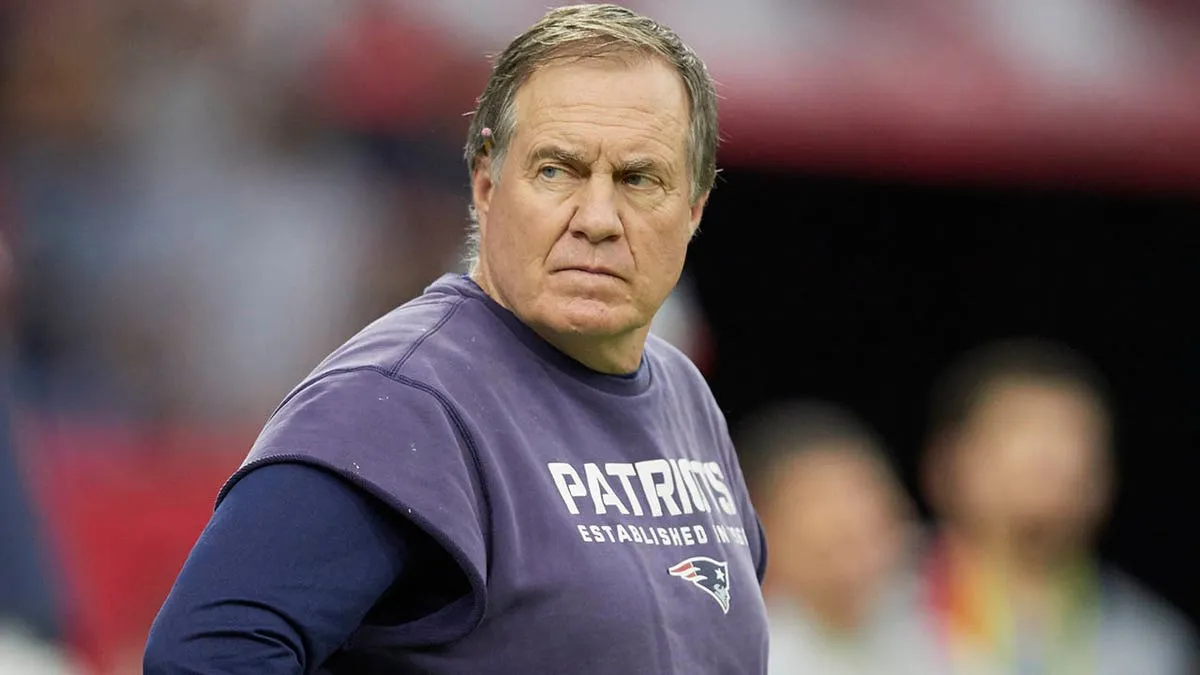 Photo: Bill Belichick, via a57.foxnews.com
But watching taught him everything.
While his classmates were getting drunk and chasing girls, Belichick was studying game film with the obsession of a monk. He broke down plays, analyzed tendencies, memorized formations. He couldn't throw a spiral or run a route, but he could see patterns that escaped players and coaches who'd been in the game for decades.
"I learned more about football in college than most people learn in twenty years of playing," Belichick would later say. "Because I had to. I wasn't talented enough to rely on instinct."
That analytical approach — born from necessity, not choice — became his superpower. Eight Super Bowl rings later, it's clear that sometimes the best way to understand a game is to be excluded from it.
Pat Summitt: The Star Nobody Saw
Pat Summitt was a phenomenal basketball player. She just had the misfortune of being phenomenal at a time when nobody cared about women's basketball.
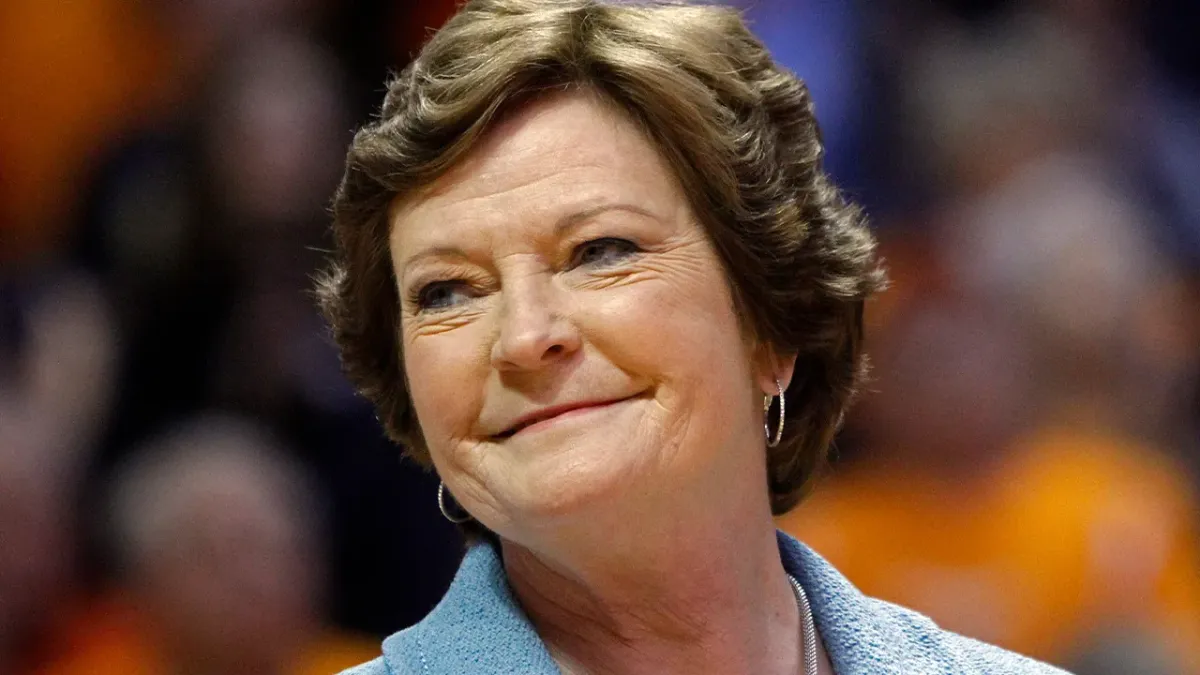 Photo: Pat Summitt, via nellysports.co.uk
At the University of Tennessee-Martin in the early 1970s, Summitt dominated games that drew dozens of fans, not thousands. She was an All-American in a sport that didn't offer scholarships, playing for championships that weren't televised, pursuing excellence that went largely unnoticed.
The invisibility stung. But it also taught her something crucial: motivation has to come from within. External validation is nice, but it's unreliable. The only recognition that matters is the kind you give yourself.
When she became Tennessee's head coach at twenty-two — younger than some of her players — Summitt brought that internal fire to the sidelines. She coached like someone who had something to prove, because she did. Every practice was a chance to validate women's basketball. Every game was an opportunity to demand the respect that had been denied.
1,098 wins and eight national championships later, Summitt had transformed not just her program, but her sport. The player nobody noticed became the coach nobody could ignore.
Phil Jackson: The Zen of Riding Pine
Phil Jackson spent thirteen seasons in the NBA as a player. He averaged 6.7 points per game, came off the bench for most of his career, and was generally considered a role player on good teams.
But Jackson was studying the game from the inside, absorbing lessons that would later make him legendary. He learned how stars think, how role players contribute, how team chemistry develops over the course of a long season. He also learned something more valuable: how to manage egos.
"When you're not the star, you learn to see the whole picture," Jackson explained. "You understand how all the pieces fit together because you're one of the pieces, not the center of attention."
That perspective served him well when he became a coach. Jackson understood what bench players needed to hear, how to motivate superstars without alienating role players, how to build team culture from the ground up. His "Zen Master" approach wasn't mysticism — it was practical psychology learned during years of watching greatness from the second unit.
Eleven NBA championships as a coach suggest that sometimes the best leaders are the ones who learned to follow.
Tom Landry: The Backup Who Saw Everything
Tom Landry played four seasons in the NFL, mostly as a defensive back and punter for the New York Giants. He was competent but not spectacular, smart but not special. What he was, though, was observant.
Landry spent his playing career analyzing offensive formations, studying quarterback tendencies, breaking down the chess match within the football game. He couldn't outrun receivers or overpower blockers, so he had to out-think them.
That analytical approach translated perfectly to coaching. Landry became famous for his innovative defensive schemes, his ability to anticipate opposing offenses, and his calm demeanor under pressure. He coached the Dallas Cowboys for twenty-nine seasons, won two Super Bowls, and revolutionized defensive football.
 Photo: Dallas Cowboys, via wallpapers.com
"Playing taught me that football is ultimately a mental game," Landry once said. "The physical part is important, but the thinking part is what separates good teams from great ones."
Joe Torre: The Journeyman's Journey
Joe Torre had an eighteen-year playing career that can be summarized in one word: solid. He was a decent catcher, an adequate first baseman, and a reliable hitter who never quite reached superstar status. He played for four different teams and was generally considered a good player, not a great one.
But Torre was learning something valuable during those eighteen seasons: how to handle failure. He played on mostly bad teams, experienced plenty of losses, and learned to maintain perspective during difficult stretches.
That resilience became crucial when he started managing. Torre's teams faced adversity — injuries, losing streaks, media pressure — with a calm confidence that reflected his playing experience. He'd been through tough times as a player and learned that baseball seasons are marathons, not sprints.
As manager of the New York Yankees from 1996 to 2007, Torre won four World Series championships and became known for his steady leadership during high-pressure situations. The journeyman player had become a championship manager.
The View From the Bench
What connects these coaching legends isn't their playing ability — it's their perspective. They all learned the game from positions of relative powerlessness, which taught them to see things that stars often miss.
Bench players understand role definition. They know how to maximize limited opportunities. They learn to find motivation in small victories and to maintain confidence despite limited recognition.
Most importantly, they learn to think like coaches while they're still players. They study the game differently because they have to. They can't rely on pure talent, so they develop strategic thinking. They can't dominate through athleticism, so they focus on psychology and preparation.
The Crooked Path to Greatness
In a culture that celebrates athletic achievement, it's counterintuitive to suggest that playing failure might lead to coaching success. We expect our leaders to be former stars, our teachers to be former champions.
But these coaches prove that sometimes the best preparation for leadership is learning to lead from behind. Sometimes the most valuable perspective comes from the margins. Sometimes the crooked path — through disappointment, through limitation, through watching others achieve what you couldn't — leads to a destination that straight-line success never could.
The bench players who became coaching legends didn't succeed despite their playing limitations. They succeeded because of them. Their crooked paths taught them lessons that natural talent never could, prepared them for challenges that athletic ability never would.
In the end, they prove that there are many ways to win. And sometimes the longest route to the championship is the one that teaches you how to get there again and again.