From Manila to Madison Avenue: How Josie Natori Built a Fashion Empire After Wall Street Said She'd Never Fit In
The Banker Who Discovered Silk
In 1964, Josie Cruz stepped off a plane at JFK Airport with a suitcase, a business degree from Manhattanville College, and the kind of ambition that doesn't translate well on immigration forms. She was twenty-one, Filipino, and female — three strikes in the buttoned-up world of 1960s corporate America.
But Josie had something her competition didn't: an outsider's hunger and an insider's education. Within two years, she'd talked her way into a job at Merrill Lynch, becoming one of the first female vice presidents on Wall Street. She was making six figures when most women were making coffee.
 Photo: Merrill Lynch, via 1000logos.net
Then she walked away from it all to sell pajamas.
The Glass Ceiling Had an Accent
Wall Street in the 1970s wasn't just a boys' club — it was a very specific kind of boys' club. White, Ivy League, born into the right families with the right connections. Josie Cruz (who became Josie Natori after marrying investment banker Ken Natori) checked none of those boxes.
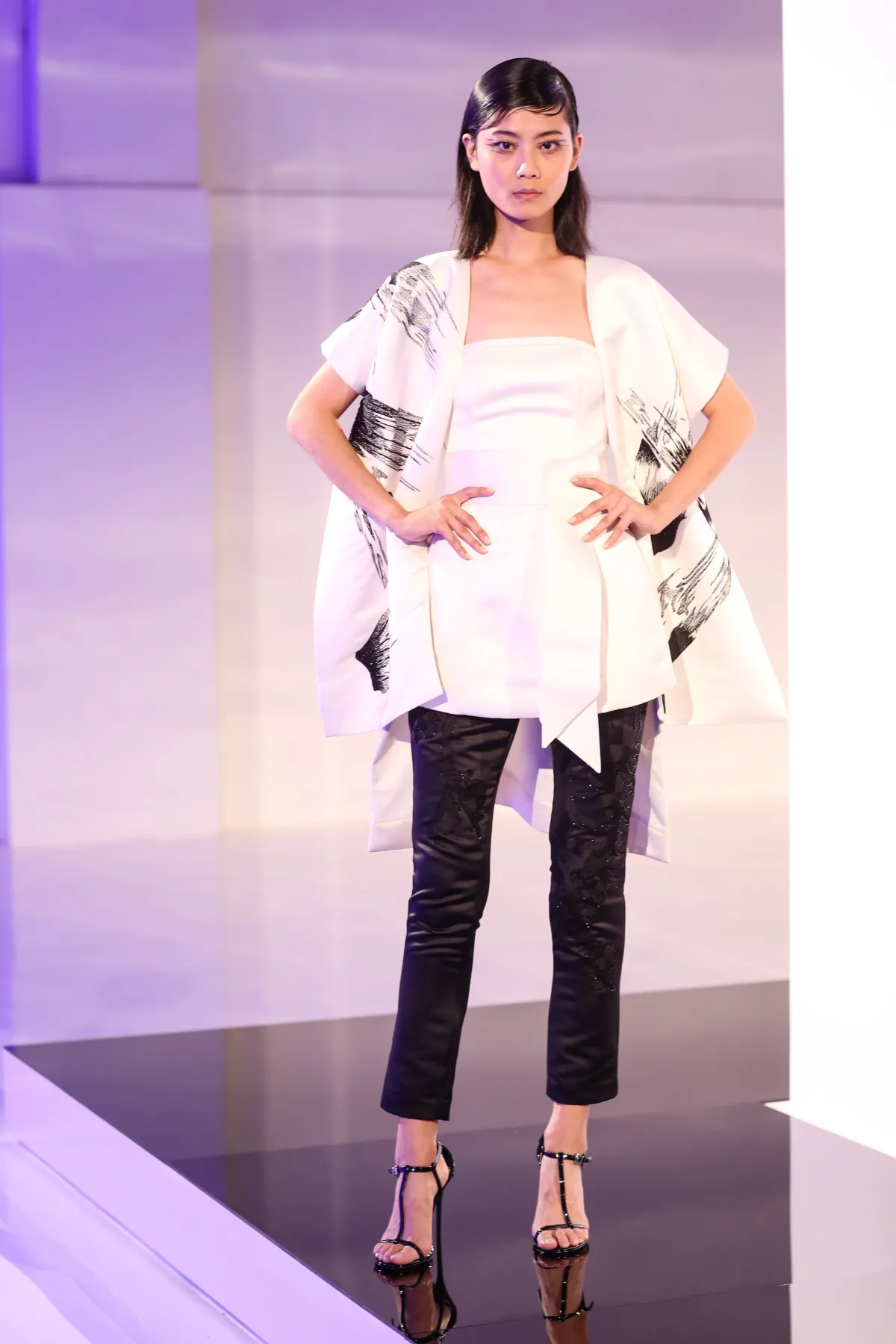 Photo: Josie Natori, via i.pinimg.com
"I was always the only woman in the room, and usually the only Asian person too," she would later recall. "I learned to speak louder, dress sharper, and work twice as hard as everyone else just to be heard."
She excelled at Merrill Lynch, building a reputation as someone who could read markets and manage clients with equal skill. But every promotion felt like a battle, every achievement questioned, every success attributed to luck rather than talent.
By 1977, after more than a decade of breaking barriers and hitting ceilings, Natori was exhausted. She was successful by any measure, but she wasn't fulfilled. She was also pregnant with her first child and questioning whether she wanted to raise a family while fighting the same battles every day.
A $30,000 Leap of Faith
The idea came from a friend who'd seen beautiful embroidered blouses during a trip to the Philippines. "You should import these," the friend suggested. "American women would love them."
Natori had $30,000 in savings and a Rolodex full of high-net-worth contacts who might buy luxury clothing. She also had something more valuable: an understanding of what successful American women wanted but couldn't find.
She started small, importing hand-embroidered blouses from Filipino artisans. The quality was exquisite, the craftsmanship unmatched, but the market was tough. Luxury fashion was dominated by European brands with century-old pedigrees. Who was going to buy Filipino-made clothes from a former Wall Street executive?
The Accidental Lingerie Revolution
The breakthrough came by accident. A buyer at Bloomingdale's loved Natori's blouses but thought they were too sheer for daywear. "These would make beautiful lingerie," the buyer suggested.
Lingerie? Natori had never considered it. But she understood markets, and she could see the gap. American women's intimate apparel was either purely functional or overtly sexual. There was nothing elegant, nothing that made women feel beautiful and comfortable at the same time.
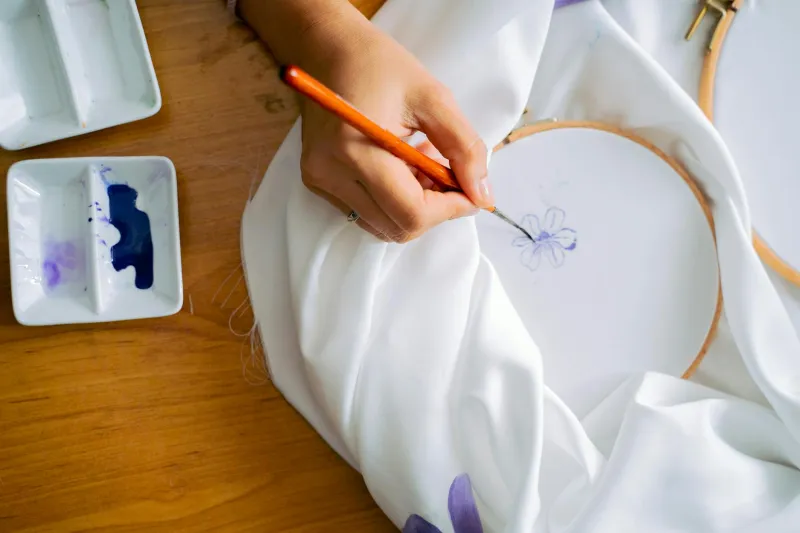
Natori went back to her Filipino suppliers with a new vision: luxury sleepwear that looked like fashion. Silk pajamas with hand-embroidered details. Robes that could double as evening wear. Nightgowns that made bedtime feel like a celebration.
Building Culture, Not Just Clothes
What Natori created wasn't just a clothing line — it was a cultural bridge. She brought Filipino craftsmanship to American bedrooms, introduced American women to Asian aesthetics, and proved that "made in the Philippines" could mean luxury, not just low cost.
Her designs drew from both worlds. The silhouettes were Western but the details were distinctly Asian — cherry blossoms, dragons, intricate embroidery that told stories. She wasn't trying to hide her heritage; she was celebrating it, teaching American customers to see beauty they'd never noticed before.
The business grew steadily through the 1980s, but the real explosion came in the 1990s when celebrities started wearing Natori designs to red carpet events. Suddenly, pajamas weren't just for sleeping — they were fashion statements.
The Outsider's Advantage
Natori's success wasn't despite her immigrant status — it was because of it. She brought fresh eyes to an industry that had been doing things the same way for decades. She understood luxury from her Wall Street days but also understood craftsmanship from her Filipino heritage.
Most importantly, she understood what it felt like to not quite fit in anywhere. Her designs appealed to women who wanted to feel elegant at home, who saw their private moments as worthy of beauty, who understood that comfort and style weren't mutually exclusive.
"I was never trying to compete with Victoria's Secret or Calvin Klein," she explained. "I was trying to create something that didn't exist — clothes for the woman who wanted to feel beautiful even when no one else was watching."
From Bedroom to Boardroom
The Natori Company went public in 1993, making Josie one of the few Asian-American women to lead a publicly traded fashion company. By then, her designs were in department stores across America and her annual revenues exceeded $100 million.
But Natori never forgot her roots. She continued working with Filipino artisans, providing stable employment for thousands of workers and keeping traditional crafts alive in a globalized world. She also mentored other Asian-American entrepreneurs, using her success to open doors for people who looked like her.
The Long Game of Belonging
Today, at eighty, Josie Natori runs a global luxury brand from her Manhattan office. The company she built with $30,000 and a borrowed idea now generates hundreds of millions in annual revenue. Her designs hang in the closets of celebrities, CEOs, and everyday women who want to feel special in their most private moments.
But perhaps her greatest achievement is cultural. She proved that American fashion could learn from the world, that luxury could come from unexpected places, and that an outsider's perspective could create something entirely new.
Natori's path from Manila to Madison Avenue wasn't straight — it was crooked, uncertain, and often lonely. But it was also uniquely hers, and it led to a destination that no one else could have imagined.
Sometimes the longest way around is the shortest way home. And sometimes home isn't where you started — it's what you build along the way.