He Learned to Dodge Bulls Before He Learned to Save Lives
There's a particular kind of courage that doesn't show up on a résumé. It's the kind you develop when your job is to distract an enraged animal from trampling a fallen rider — when you have roughly two seconds to read a crowd, read a bull, and make a decision that could mean the difference between a man walking out of the arena or being carried out on a stretcher.
That's the world Dr. Marcus Tillman grew up in. Not the world of pre-med programs and MCAT prep courses. The world of red clay arenas in rural Oklahoma, of rosin-dusted ropes and the smell of livestock and sawdust, of painted faces and barrel rolls and the particular brand of gallows humor that rodeo performers use to talk about the near-misses they've already stopped counting.
He was, by any conventional measure, the last person anyone expected to end up in a surgical suite.
The Arena as Classroom
Tillman started working the rodeo circuit at sixteen, following his uncle into what the industry calls "bullfighting" — the technical term for what most people know as rodeo clowning. The job is not, as the name might suggest, primarily about comedy. It is about protection. When a bull rider is thrown, someone has to get between the animal and the man on the ground, and that someone has to do it fast, without hesitation, and with enough instinctive awareness of the animal's movement patterns to stay alive while doing it.
"You learn to read a body in motion," Tillman has said in interviews. "The bull telegraphs what it's going to do before it does it. The shoulders drop a certain way. The head goes to one side. You start seeing those signals without thinking about them."
That ability — to read subtle physical cues under extreme pressure, to make fast decisions with incomplete information, and to stay calm when the situation is objectively terrifying — turns out to be an extraordinarily useful set of skills in an operating room. But nobody in medicine was going to tell him that. Not yet.
The Long Way Around
Tillman's path into medicine wasn't a straight line. It was, in the truest spirit of this site's name, a crooked one. He enrolled in community college at twenty-two, nearly a decade behind his eventual peers, after a shoulder injury ended his rodeo career and a chance encounter with a small-town physician named Dr. Evelyn Marsh changed the entire trajectory of his life.
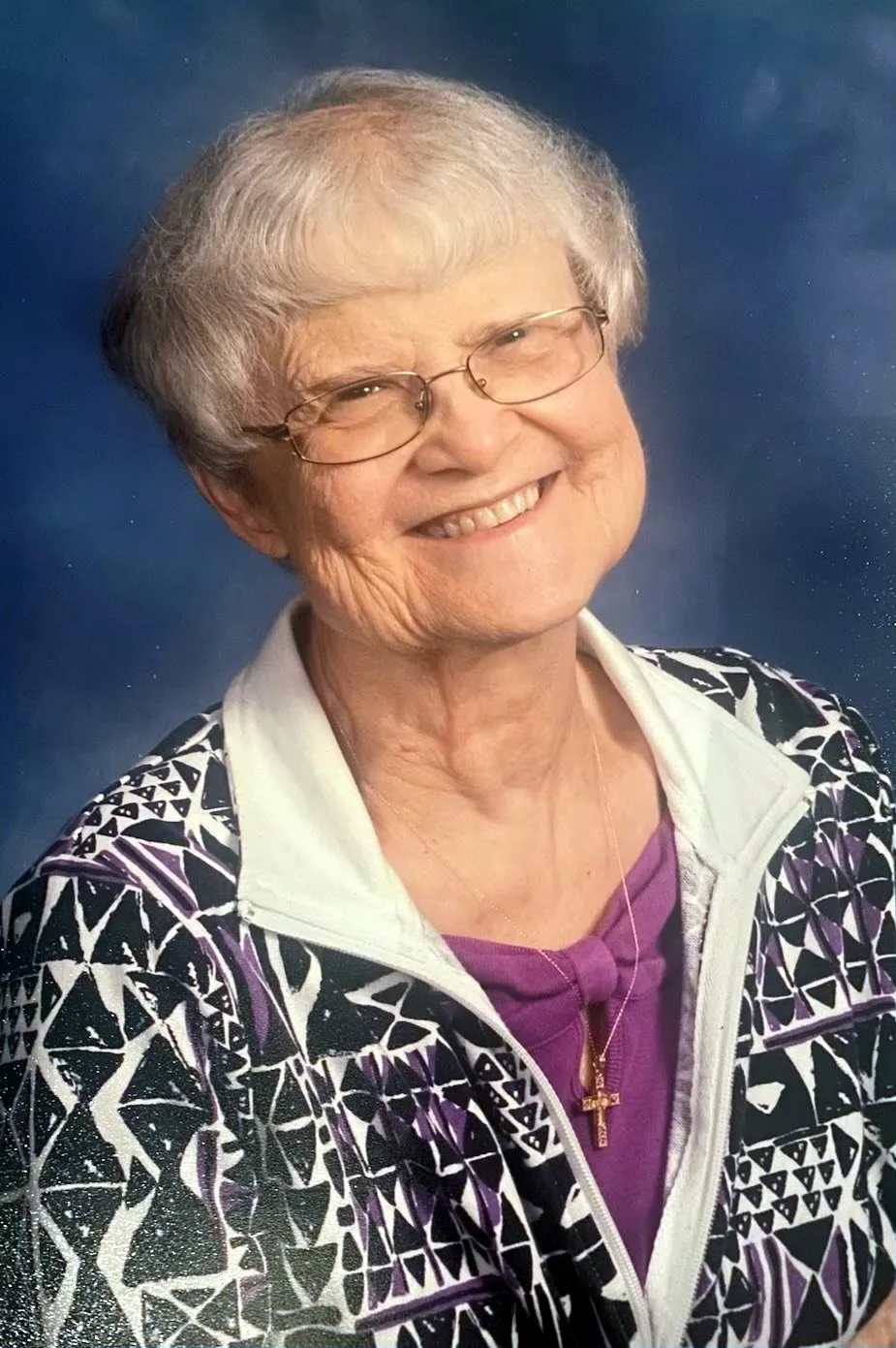 Photo: Dr. Evelyn Marsh, via dux7id0k7hacn.cloudfront.net
Marsh ran a rural clinic in a county where the nearest hospital was forty miles away. She was perpetually understaffed and had long since stopped caring about where useful people came from. When Tillman started volunteering — initially just helping transport patients — she noticed something in how he moved and how he observed. He wasn't squeamish. He didn't freeze. He made good calls under pressure.
"She told me I thought like a surgeon," Tillman recalled. "I didn't even know what that meant at the time."
Marsh became his first serious mentor, writing recommendation letters and making phone calls on his behalf to people who might otherwise have looked at his application and moved on. The road from her clinic to medical school took four years of community college, a biology degree from a state university, and two rejections before an acceptance finally arrived.
What the Establishment Missed
Medical school was not welcoming territory for someone with Tillman's background. The culture of American medicine in the late 1990s — when he enrolled — was still deeply hierarchical, still oriented around a particular kind of pedigree. His classmates had done research internships and shadow programs and carefully curated résumés. He had spent the better part of his twenties in a barrel.
The jokes were predictable. So was the skepticism from certain faculty members who seemed to view his prior life as evidence of some fundamental unseriousness. What they didn't see — what took years to become visible — was that the rodeo had given him something their other students had never been forced to develop.
Surgery, particularly trauma surgery, is a discipline where psychological composure is not a soft skill. It is a clinical requirement. Surgeons who panic make errors. Surgeons who can't read a room — who can't sense when a team is losing confidence, when a procedure is going sideways, when the energy in the room needs to shift — make costly mistakes. Tillman had been training for exactly that environment since he was sixteen years old.
By his residency, the skepticism had largely evaporated. His attending physicians noticed that he was almost unnaturally calm in the OR during high-stakes moments. He had an intuitive feel for spatial awareness and manual dexterity that his peers were still developing. And he had a way of keeping his team steady when cases went wrong — a kind of crowd-reading instinct, transplanted from the arena to the operating room.
Reckoning With What Gets Overlooked
Tillman eventually specialized in trauma surgery and built a career at a regional medical center in the Southwest, where his patient population looked a lot like the communities he'd grown up in — rural, working-class, underserved. He has spoken publicly about the ways that American medicine systematically screens out exactly the kind of person who might serve those communities best.
The admissions processes, the prerequisite pathways, the unspoken cultural assumptions about what a doctor is supposed to look like and where they're supposed to come from — all of it functions, whether intentionally or not, as a filter that favors a particular kind of background. Tillman slipped through that filter largely because one doctor in a rural clinic decided to look past it.
He now mentors students from non-traditional backgrounds himself, and he is direct about what he tells them: the path you took to get here is not a liability. It is, if you're lucky and if you pay attention, the most important training you'll ever receive.
The Thing About Dirt Roads
There's a version of this story that gets told as a triumph-over-adversity narrative, and it's not wrong, exactly. But it misses something important. The medical establishment didn't grudgingly accept Marcus Tillman despite his background. It eventually had to reckon with the fact that his background had made him better at the job than many of the people who'd been groomed for it since birth.
The dirt roads, the arenas, the barrels, the bulls — none of that was a detour from his real life. It was the education. The rest was just paperwork.