Dirt Roads and Righteous Fury: How a Sharecropper's Son Became Country Music's Moral Compass
Dirt Roads and Righteous Fury: How a Sharecropper's Son Became Country Music's Moral Compass
There's a version of Johnny Cash that lives in the gift shops — the man in black, the rebel pose, the gravelly voice selling car insurance from beyond the grave. But strip all that away and you find something rawer and stranger: a man whose greatness was essentially manufactured by suffering he never asked for and never fully escaped.
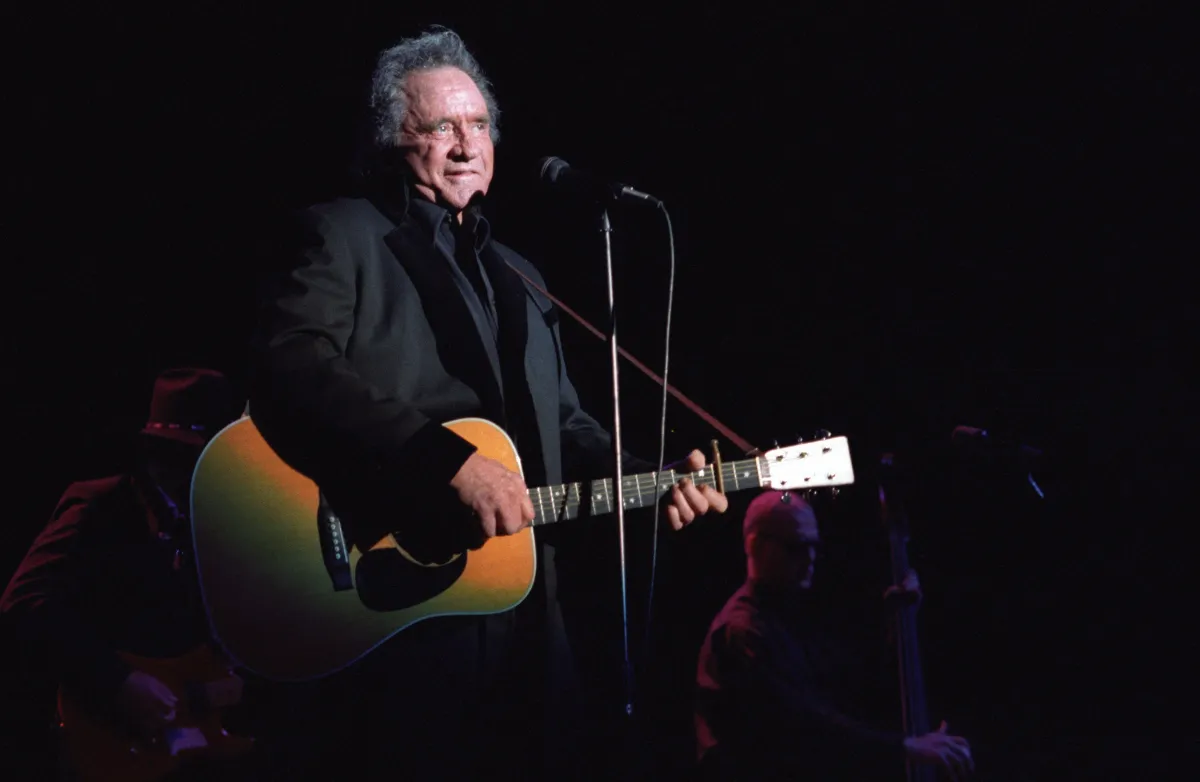 Photo: Johnny Cash, via i8.amplience.net
Cash didn't choose his beginnings. Nobody does. But what he did with them is one of the more remarkable stories in American cultural history.
Dyess, Arkansas: Where the River Didn't Care About Your Dreams
In 1935, the Cash family — Ray, Carrie, and their children — loaded everything they owned onto a government truck and headed to Dyess, Arkansas. It was a New Deal resettlement colony, one of Franklin Roosevelt's experiments in giving desperate Depression-era families a fresh start on cleared land. The idea was noble. The reality was punishing.
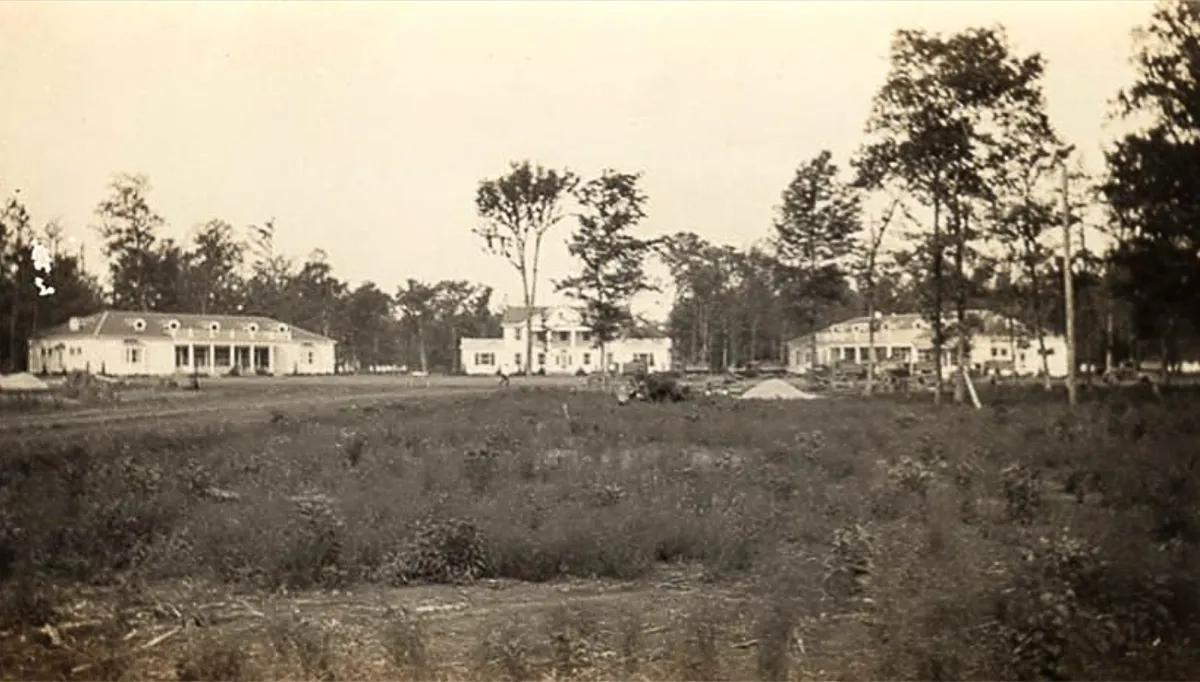 Photo: Dyess, Arkansas, via encyclopediaofarkansas.net
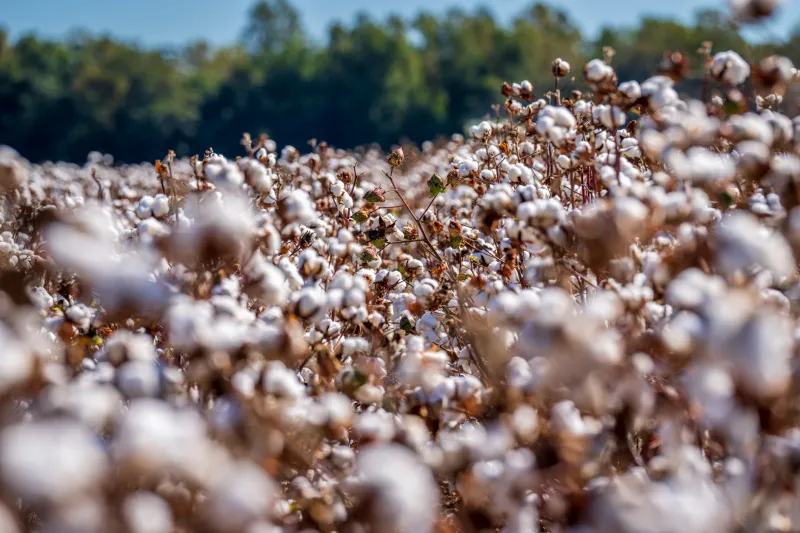
The Cashes received a small house, twenty acres of Mississippi Delta bottomland, and a debt to the federal government they'd spend years trying to pay off. The soil was rich, but the river was capricious. Floods came without warning and without mercy, drowning crops that represented months of backbreaking labor. The family picked cotton in heat that buckled the air. They ate what they grew. They wore what they could afford, which wasn't much.
Johnny — born J.R. Cash in 1932 — absorbed all of it. He absorbed the particular humiliation of poverty that isn't just about money but about visibility, about being the kind of person that the wider world has quietly decided doesn't matter very much. He absorbed the sound of the work songs that drifted across those fields, the gospel music that poured out of the local church, the Carter Family records his mother played on the radio like they were transmissions from a better world.
But most of all, he absorbed the loss of his brother Jack.
The Wound That Never Closed
In May 1944, twelve-year-old Jack Cash was pulled into an industrial table saw at a school workshop. He lingered for a week before dying. He was fourteen years old and, by every account, the kind of steady, gentle soul that families orbit around without realizing it until he's gone.
Johnny was twelve. He had been invited to go fishing that day instead of working with Jack. He went fishing. His brother went to work and never came home.
Cash carried that guilt like a stone in his chest for the rest of his life. He talked about Jack in interviews decades later with a grief that hadn't been sanded down by time. Some biographers argue that the survivor's guilt from that single afternoon explains more about Johnny Cash's emotional landscape than any other single event — the darkness, the empathy for the condemned, the restless need to speak for people who couldn't speak for themselves.
You can hear Jack Cash in every prison concert Johnny ever played.
Nashville Wanted a Product. Cash Delivered a Person.
When Cash arrived in Memphis in the mid-1950s and talked his way into Sun Studio, the music industry had a very specific idea of what country music was supposed to be. It was supposed to be polished and palatable, sanitized just enough for the suburban living room. Sam Phillips saw something different in Cash — a directness that couldn't be coached and a sound that felt like it came from actual dirt rather than a studio approximation of it.
The early Sun recordings were raw and urgent in a way that confused radio programmers. Cash wasn't performing rural poverty; he was reporting it. There's a difference, and listeners felt it even when they couldn't name it.
By the time he moved to Columbia Records and hit his commercial stride in the early 1960s, Cash could have settled into the comfortable role of country star. He had the hits. He had the television appearances. He had a face that looked like it was carved for Mount Rushmore.
Instead, he got angrier. More political. More insistent on being inconvenient.
The Concerts Nobody Asked For
In 1968, Cash played Folsom State Prison in California. Then he played San Quentin. These weren't publicity stunts — or at least, they weren't only publicity stunts. Cash had been writing to prisoners and visiting jails for years before the famous recordings. He felt something specific in those rooms, a recognition that the men behind those bars were not categorically different from the boy who grew up watching his family buried under debt they couldn't escape.
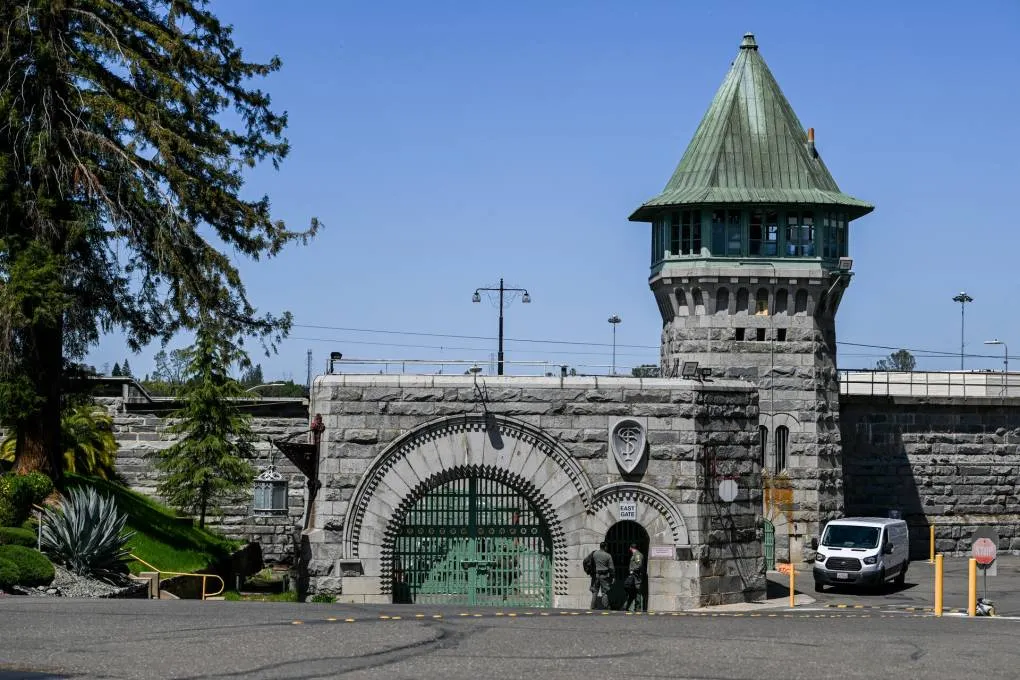 Photo: Folsom State Prison, via offduty-travel.com
At Folsom Prison became one of the best-selling albums of that year. The establishment was baffled. Here was a major country star performing for convicted felons, and the audience at home was eating it up. Cash understood something that the industry didn't: authenticity about suffering travels. It crosses demographic lines. It doesn't care about format.
He didn't stop at prisoners. Through the late 1960s and into the 1970s, Cash became one of the most prominent mainstream voices advocating for Native American rights — a position that cost him real commercial goodwill in certain markets and earned him exactly zero credit from the counterculture, which had decided country music was the enemy. His 1964 album Bitter Tears: Ballads of the American Indian was so politically charged that some radio stations refused to play it. Cash took out a full-page ad in Billboard magazine calling the industry out by name.
That's not a move a manufactured star makes. That's a move someone makes when they genuinely don't care whether you like them or not.
What the Wounds Were Actually For
There's a temptation, when telling stories like this, to romanticize poverty — to suggest that suffering is secretly a gift, that hardship builds character in some clean and linear way. That's not the argument here.
Cash's childhood in Dyess, Arkansas was hard in ways that left permanent marks. He struggled with addiction for most of his adult life. His first marriage collapsed. There were years where the darkness Jack's death had planted in him grew large enough to crowd out almost everything else.
But what the poverty and the grief and the outsider fury did give him was an immunity to the usual pressures. You can't threaten a man with irrelevance when he grew up watching a river erase everything his family built. You can't buy his silence when he watched his father's dignity get stripped away by debt and flood and the grinding indifference of an economic system that had no place for people like the Cashes.
The wrong side of the tracks gave Cash a kind of freedom that success alone never could have purchased. It gave him the standing to walk into a prison and mean it. To record an album about Native American land rights and mean it. To wear black every day as an explicit statement about the poor and the hungry and the forgotten — and mean every single stitch of it.
Nashville made him a star. Dyess, Arkansas made him matter.