The Lobbyists History Never Named: How a Small, Relentless Group of Organizers Actually Passed the ADA
Photo: Tweedle, CC BY-SA 4.0, via Wikimedia Commons
On July 26, 1990, President George H.W. Bush signed the Americans with Disabilities Act on the South Lawn of the White House, surrounded by advocates, legislators, and cameras. It was a genuinely historic moment. The law would extend civil rights protections to 43 million Americans with disabilities — prohibiting discrimination in employment, mandating accessible public accommodations, and fundamentally reordering the relationship between disabled people and American public life.
The photographs from that day are full of recognizable faces. Senators. Congressmen. The President.
The people who actually ground the law into existence are mostly not in the frame.
What Passing a Law Actually Requires
There's a version of legislative history that most of us learned in school: a problem exists, a champion emerges, a bill is written, Congress votes, the President signs. It's clean and it centers the powerful people whose names are already in the history books.
The real version is less photogenic. It involves years of phone calls that go unreturned, meetings with junior staffers who have no authority over anything, endless rounds of compromise that threaten to gut the very thing you're fighting for, and a kind of institutional persistence that most people simply don't have the stamina to sustain.
The ADA took roughly a decade to move from concept to law. The version that got signed in 1990 was the product of countless decisions made in hallways and hearing rooms by people operating largely without recognition or resources. Understanding who those people were — and what they actually did — is essential to understanding how the law happened at all.
Patrisha Wright and the Disability Rights Network
Patrisha Wright was a lobbyist and organizer who served as the legislative director of the Disability Rights Education and Defense Fund, and she became one of the central architects of the ADA's path through Congress. She wasn't the only one — the coalition that pushed the bill was genuinely broad, including dozens of organizations representing people with physical disabilities, sensory disabilities, mental health conditions, and chronic illness — but Wright was among the most tactically sophisticated operators in the group, and her fingerprints are on some of the law's most consequential structural decisions.
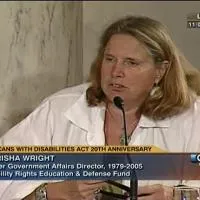 Photo: Patrisha Wright, via www.mn.gov
She was known in Washington disability circles as "The Governor" — a nickname that captured both her authority within the movement and the quiet command she exercised over legislative strategy. She understood Congress not as an idealistic institution but as a collection of individual humans with specific fears, specific donors, specific constituents, and specific pressure points. She worked that knowledge relentlessly.
The challenge she and her colleagues faced was enormous. The business community, particularly the Chamber of Commerce and the National Federation of Independent Business, was fiercely opposed to the ADA. They argued the compliance costs would crush small businesses, that the definitions of disability were too broad, that the enforcement mechanisms were too aggressive. These weren't fringe voices — they had real power in Congress, and they were well-funded and well-organized.
Wright's coalition was neither well-funded nor, in the traditional sense, well-connected. What they had was numbers, moral clarity, and an intimate understanding of how to make congressional offices feel the weight of a constituency.
The Mechanics of the Invisible Work
The organizing that moved the ADA forward operated on multiple levels simultaneously.
At the grassroots level, disability rights organizations across the country were mobilizing constituents to contact their representatives — not with form letters, but with personal testimony. Wright and her colleagues understood that a senator from a rural state might be unmoved by abstract civil rights arguments but would listen differently to a constituent in a wheelchair who couldn't get into the county courthouse. They spent years building the infrastructure to deliver those stories to the right people at the right moments.
At the legislative level, the work was surgical. Wright and others spent enormous energy on the committee staffers — the people whose names nobody knows but who actually draft the language, schedule the hearings, and advise their bosses on what's politically survivable. Building relationships with those staffers, understanding their concerns, and finding language that could address business opposition without hollowing out the bill's protections was painstaking work that happened almost entirely outside public view.
There were moments when the bill looked like it might die quietly in committee. There were compromise proposals that would have created so many exemptions and loopholes that the law would have been largely symbolic. Navigating those moments — knowing when to hold firm, when to accept a modification, when to let a fight go in order to win the larger war — required a political sophistication that doesn't show up in the official record.
The People the Cameras Missed
Wright wasn't alone. Justin Dart Jr., a disability rights activist who traveled to all 50 states gathering testimony about discrimination, was a crucial figure in building the moral case for the legislation. Evan Kemp, a disability rights advocate who would later chair the Equal Employment Opportunity Commission, worked the political side with quiet effectiveness. Organizations like ADAPT — whose members, many of them wheelchair users, staged dramatic protests including one famous action where activists abandoned their chairs and crawled up the steps of the Capitol — brought a visibility and urgency to the cause that no amount of lobbying could manufacture.
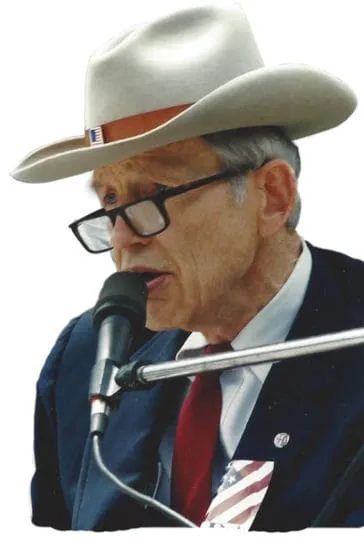 Photo: Justin Dart Jr., via drcnh.org
The Senate champions, Tom Harkin and Bob Dole, were genuine and important. Harkin had a brother who was deaf; the cause was personal for him. Dole had been severely wounded in World War II and understood disability from the inside. Their sponsorship was not performative. But sponsorship and passage are different things, and the distance between them was covered by people who don't appear in most accounts of the law's history.
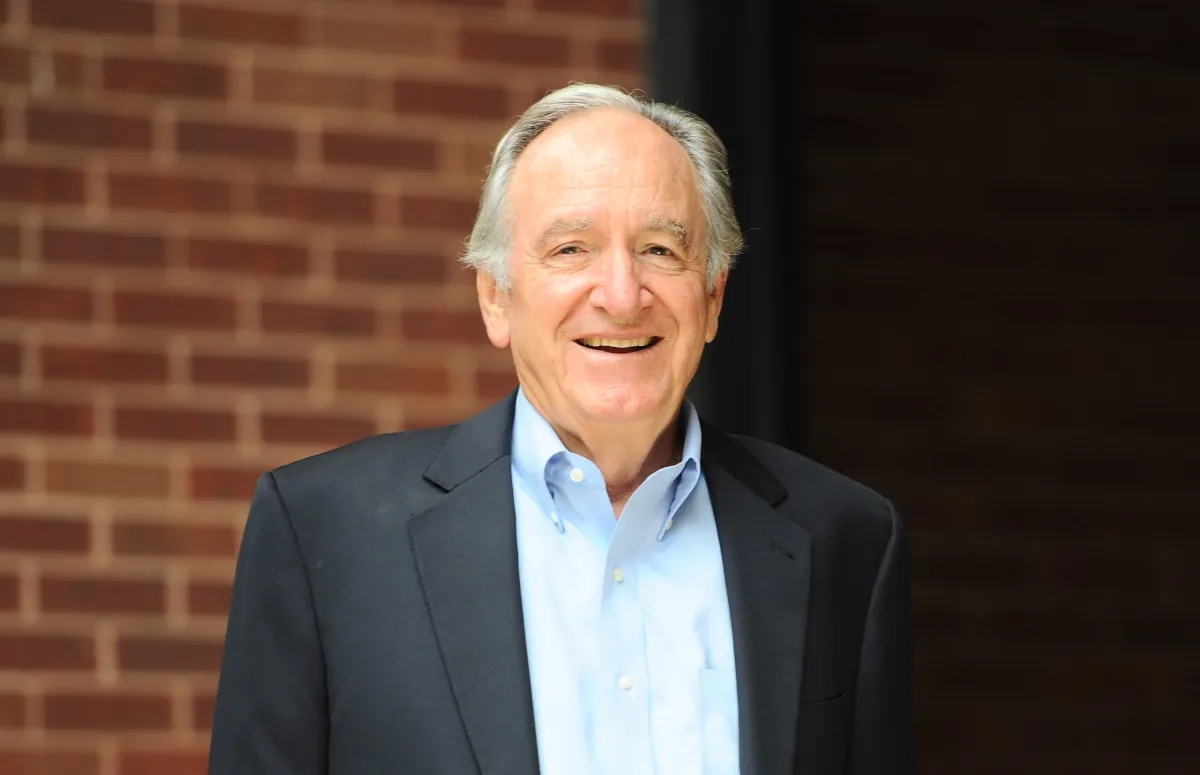 Photo: Tom Harkin, via harkininstitute.drake.edu
Why This Keeps Happening
The erasure of organizers and behind-the-scenes strategists from the history of their own victories isn't accidental. It's structural.
Legislative history gets written around the official record — the floor speeches, the committee hearings, the bill text. The phone calls don't get transcribed. The hallway conversations don't get archived. The decisions about which compromise to accept and which to reject, made in a congressional cafeteria between a lobbyist and a junior staffer, don't show up anywhere.
And there's a simpler dynamic at work too: the people who sign laws and give speeches are already famous. The people who do the organizing are not, which means their contribution requires active effort to recover and document, while the senator's contribution is already part of the public record.
The result is a version of history that systematically overstates the role of individual political leaders and understates the role of the organized constituencies that made their leadership possible. It's a flattering story for the people in the photographs. It's not an accurate one.
What the ADA Actually Cost
The Americans with Disabilities Act changed millions of lives. It changed how buildings are built, how workplaces are organized, how public transportation is designed, how technology is developed. Its effects compound every year as the standards it established become baseline expectations rather than extraordinary accommodations.
That transformation didn't emerge from a single champion or a single moment of political will. It emerged from a decade of unglamorous, underfunded, relentless organizing by people who understood that the gap between a good idea and a signed law is filled with invisible labor.
Patrisha Wright and her colleagues filled that gap. History mostly forgot to mention them.
The crooked path to the ADA ran through a lot of offices that will never be commemorated, a lot of phone calls that will never be documented, and a lot of people who cared enough about the outcome to do the work that doesn't get photographed.
That's almost always how it goes. The question is whether we're paying enough attention to notice.