The Women Who Built Things Nobody Let Them Build
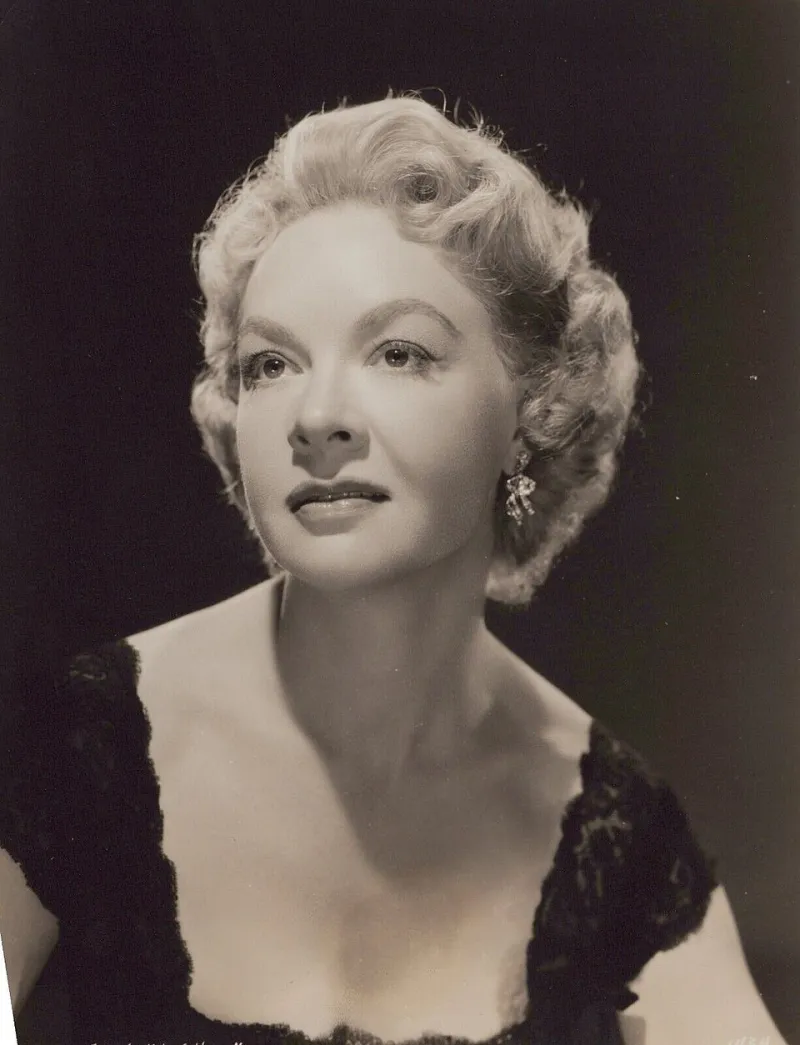
Photo: N/A studio, Public domain, via Wikimedia Commons
Picture the scene. It's 1953. A research lab somewhere in the industrial Midwest. There's a problem nobody can crack — a materials issue, a process inefficiency, some stubborn technical puzzle that's been sitting on the whiteboard for weeks. The men with the degrees circle it at morning meetings. They debate it over lunch. They write memos about it.
And then, sometime in the afternoon, the woman who runs the supply room, or types the correspondence, or keeps the equipment logs, wanders over and mentions that she thinks she knows what's wrong.
Sometimes they listen. More often, they don't. And when the problem gets solved — sometimes with her suggestion, sometimes with her actual hands doing the work — the credit has a way of traveling upward, toward the men with the titles and the institutional affiliations, while she goes back to answering the phone.
This is not an edge case in American industrial history. It is, according to historians who have spent careers excavating the archival record, closer to a pattern.
What the Files Don't Say
The challenge in telling this history is that it was designed, whether intentionally or not, to be difficult to tell. Patent applications in mid-century America listed the "inventor" — a legal category that didn't necessarily map onto who had actually done the inventing. Oral histories weren't systematically collected. The women themselves, operating in professional environments where making waves was a reliable way to lose your position entirely, often didn't push back.
What survives is fragmentary: letters, lab notebooks, occasional oral accounts gathered by historians decades after the fact, and — in some cases — the stubborn persistence of the women themselves, who kept receipts long after anyone expected them to.
The stories that have emerged from that fragmented record are extraordinary.
Ida Rosenthal Didn't Start in Fashion
Rosenthal is best known as the co-founder of Maidenform, but the arc of her path to that achievement is the part that tends to get edited out of the simplified version. She arrived in the United States from Russia in 1905, speaking no English, with essentially nothing. She worked as a seamstress and eventually opened a small dress shop in New York with her husband William and a partner named Enid Bissett.
 Photo: Ida Rosenthal, via m.media-amazon.com
The brassiere design that would become the foundation of their company emerged from a practical problem Rosenthal was solving for her own customers — the undergarments of the era were flattening and unflattering, and they were affecting how her dresses looked on real bodies. She redesigned the support structure from scratch, based on her own observation of how women's bodies actually worked rather than how the existing garment industry had decided to address them.
The Maidenform company she built eventually became one of the most recognized names in American fashion. But the innovation at its core was a technical solution to a practical problem, developed by a woman who was — at the moment she developed it — running a small alterations shop and very much not considered part of any research establishment.
The Name on the Patent Wasn't Always the Name on the Idea
Historian Autumn Stanley, whose exhaustive research into women inventors spans decades, documented case after case in the mid-century manufacturing sector where the paper trail diverges from the reality. In some instances, women's contributions were folded into patents filed by their supervisors or employers. In others, they were acknowledged in internal documents but not in the public record. In still others, the contribution was so thoroughly absorbed into the institutional narrative that even the women themselves sometimes struggled to articulate what, exactly, they had originated.
 Photo: Autumn Stanley, via c8.alamy.com
Ruth Benerito is one of the better-documented cases. A chemist who worked for the USDA in the 1950s, she developed the process that made wrinkle-resistant cotton commercially viable — a discovery that saved the American cotton industry at a moment when synthetic fabrics were threatening to make it obsolete. She held dozens of patents, and her work is now recognized by the National Inventors Hall of Fame.
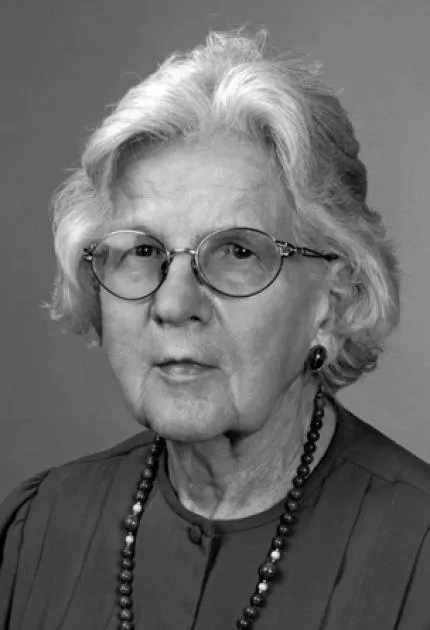 Photo: Ruth Benerito, via www.invent.org
But Benerito herself spent years describing her role in understated terms, a habit she'd developed in environments where women who were too direct about their contributions were considered difficult. The recognition, when it finally came, arrived largely because other researchers went back to the primary sources and insisted on accuracy.
The Lab Aide Who Named a Drug
Not every story ends in a hall of fame. Some end in a footnote, or in nothing at all.
Oral histories collected by industrial labor historians in the 1980s and 1990s include accounts from women who worked in pharmaceutical research facilities in the postwar period — women hired as technicians, assistants, and clerical staff who were, in practice, doing significant amounts of experimental work. Several of these women described situations in which they had identified key properties of compounds under development, only to see those observations written up under the names of the supervising chemists.
"I knew what that molecule was doing," one woman, identified in the historical record only by her first name, told an interviewer in 1988. "I'd been watching it for six months. I told him what I thought. He wrote it up as his observation."
She was not bitter, exactly. She had made her peace with it. But she remembered.
The Crooked Road to Credit
What's striking about the women in this history is not just what they built — it's what they had to navigate to build it. The professional environments they operated in were actively hostile to the idea that they might be the smartest person in the room. The credentials they lacked weren't always evidence of lesser capability; in many cases, they were simply evidence that the institutions granting credentials hadn't wanted them.
Some of these women eventually got degrees. Some got patents. Some got recognition, late and partial and hedged with qualifications. Some got nothing except the quiet knowledge that they had solved something important, and that the world had moved on without much noticing who had done it.
The American mythology of innovation tends to run through garages and eureka moments and lone geniuses with their names on the marquee. The actual history is more complicated, more collaborative, and considerably more crowded with people who were told they didn't belong there — and who showed up anyway.
Why It Still Matters
This isn't just a story about the past. The structures that routed credit away from women in mid-century labs didn't vanish when the calendar turned. They evolved. They became subtler. They got laundered through systems that look like meritocracy from a distance but function, on closer inspection, in ways that are remarkably consistent with what came before.
The women who built things nobody let them build were not exceptional because they overcame adversity. They were exceptional because they built things. The adversity is the part we added.