The Broke Patient Who Stole an Idea and Sold It to America: C.W. Post's Shameless Reinvention
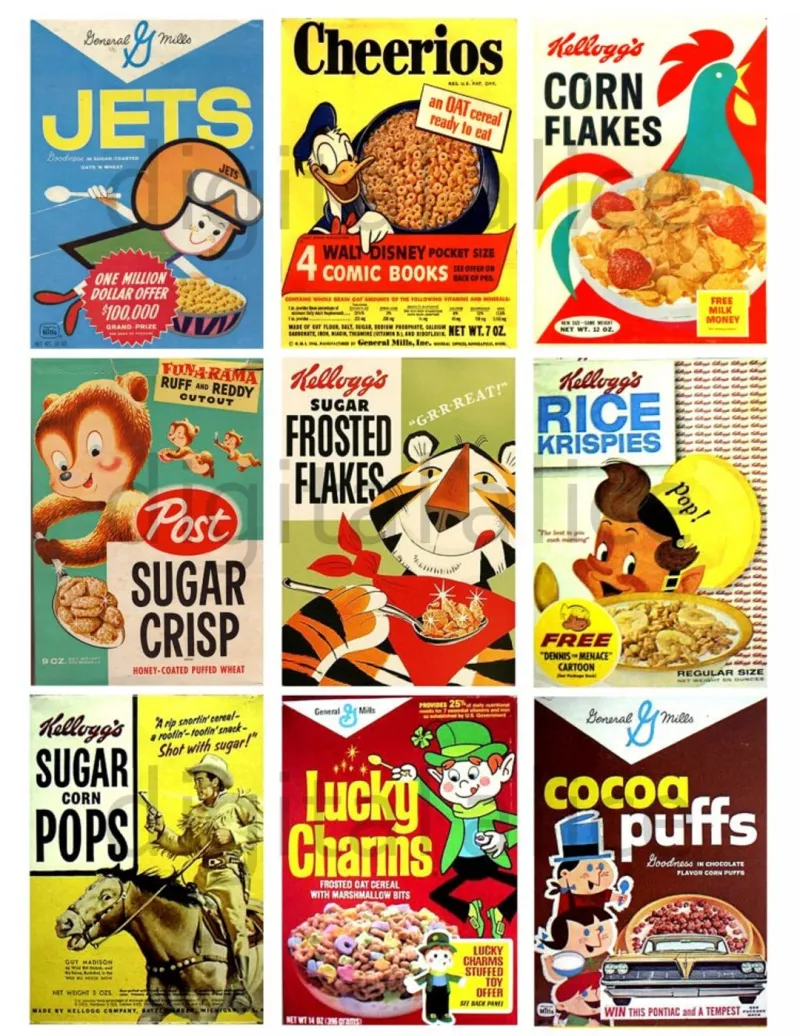
Photo: vintage 1900s cereal box advertisement American breakfast kitchen historical, via i.etsystatic.com
America loves a self-made man. It loves the story even more when the man in question made himself out of someone else's materials.
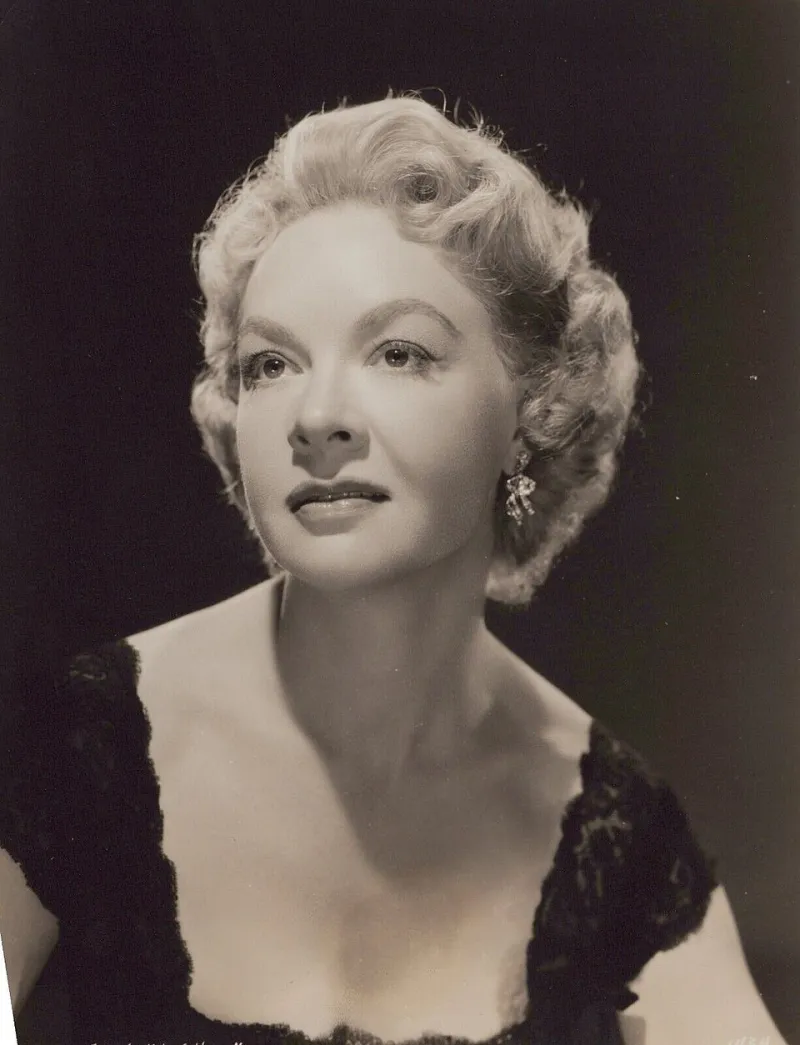
Charles William Post arrived in Battle Creek, Michigan in 1891 in rough shape. He was 37 years old, had failed at multiple businesses, and was suffering from a digestive collapse so severe that he had to be wheeled into the famous sanitarium on a stretcher. He couldn't afford the full treatment. He was, by any reasonable measure, finished.
 Photo: Charles William Post, via d.ibtimes.co.uk
 Photo: Battle Creek, Michigan, via img.freepik.com
Nine years later, he was one of the wealthiest men in the United States.
The road between those two facts runs directly through someone else's kitchen.
The Sanitarium at the Center of Everything
To understand what Post found in Battle Creek, you need to understand what John Harvey Kellogg had built there.
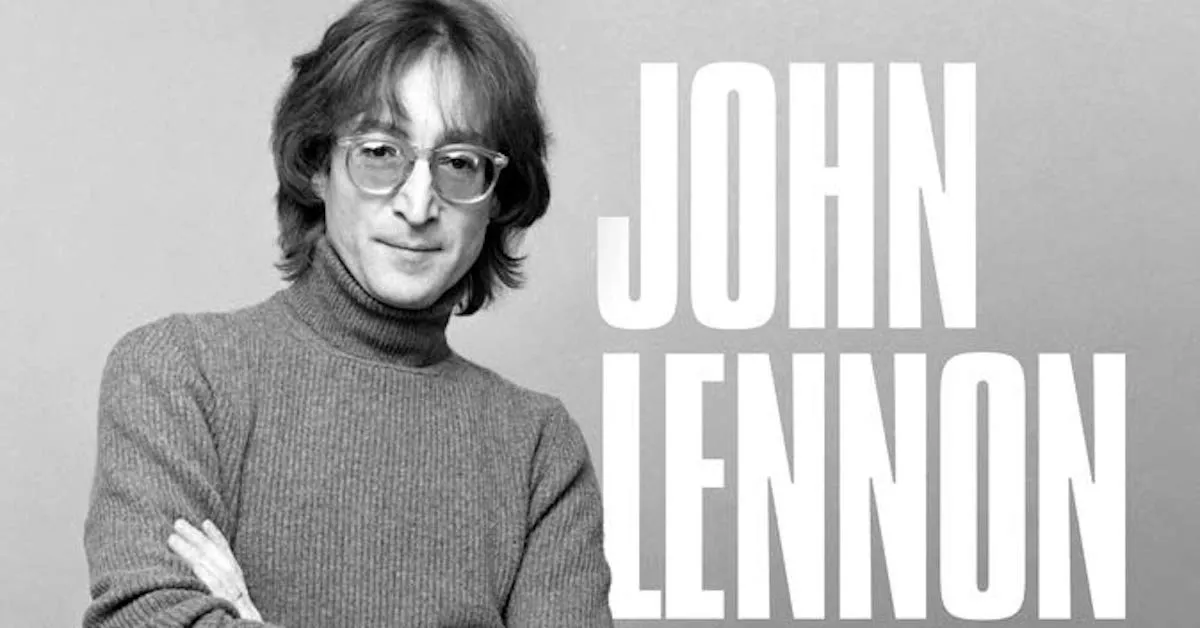 Photo: John Harvey Kellogg, via bestclassicbands.com
Kellogg was a physician, a Seventh-day Adventist, and one of the most influential health reformers of the 19th century. His Battle Creek Sanitarium was part hospital, part spa, part laboratory, and part spectacle — a place where wealthy Americans came to be lectured about diet, exercise, and the dangers of meat. Kellogg was deeply serious about nutrition, and his experimental kitchen was constantly producing new foods designed to replace the heavy, meat-centered American diet.
One of those experiments was a grain-based beverage he called Caramel Coffee — a caffeine-free drink made from roasted grains, bran, and molasses, designed for patients whose nerves Kellogg believed were being destroyed by actual coffee. He was also developing what would eventually become corn flakes: simple, digestible grain foods for patients with troubled stomachs.
Post was one of those patients. He watched. He listened. He took notes.
He also didn't get better under Kellogg's care. He eventually left the sanitarium, moved into a boarding house nearby, and tried a faith healer instead — who, depending on which account you believe, either cured him or simply gave him enough confidence to act healthy until he actually became healthy. Either way, Post recovered. And he had a plan.
The Art of the Borrowed Idea
In 1895, Post launched a grain beverage he called Postum. It was, to a degree that would be uncomfortable to discuss in a modern business school, heavily inspired by Kellogg's Caramel Coffee. Post had essentially watched Kellogg develop the concept during his time as a patient, taken the core idea, and built a commercial version.
Kellogg was furious. Post was unbothered.
Because here's what Post understood that Kellogg didn't, or at least didn't care to: the product wasn't really the point. The marketing was the point.
Postum's early advertising campaigns were something genuinely new in American commerce. Post didn't just describe what his product was. He told Americans a story about what was wrong with them and how his product would fix it. He ran ads warning that coffee caused "coffee neuralgia" and "brain fog" and various other invented ailments. He positioned Postum not as a coffee substitute but as a moral and medical upgrade — a choice made by people who understood their own bodies.
The ads were manipulative, frequently dishonest, and enormously effective. Post had essentially invented the template for modern health marketing a century before it became the dominant mode of selling everything from supplements to smoothies.
Five Failures and a Formula
It's worth pausing on how many times Post had collapsed before Battle Creek.
He'd tried farming in Texas. Failed. He'd tried selling farm equipment. Failed. He tried real estate. Failed. A couple of manufacturing ventures went sideways. By the time he arrived at Kellogg's sanitarium, he'd spent roughly a decade cycling through ventures that went nowhere, accumulating debt and a reputation as a man who couldn't quite get traction.
What Battle Creek gave him wasn't just an idea. It gave him a market. He'd spent weeks surrounded by anxious, health-obsessed, upper-middle-class Americans who were deeply worried about what they were eating and desperate for someone to tell them what to do about it. He understood that market from the inside because he'd been part of it.
The five failures weren't wasted years. They were research.
In 1897, Post introduced Grape-Nuts, a dense, crunchy cereal that had neither grapes nor nuts in it but was marketed with the kind of aggressive health claims that would get a modern company hauled before the FTC. He claimed it cured appendicitis. He claimed it rebuilt nerve cells. He claimed, at various points, that it could restore loose teeth, cure malaria, and improve mental acuity. None of this was true. Sales were extraordinary.
The Man Who Invented Your Morning
By the early 1900s, Post was a phenomenon. His company, which would eventually become General Foods, was generating millions annually. He'd built an entire company town in Battle Creek — Post City — complete with worker housing, a fire department, and wages he controlled absolutely. His relationship with labor organizing was, to put it diplomatically, hostile. He was a creature of his era in every way.
But the commercial revolution he'd started was real and lasting. Post didn't just sell cereal. He established the idea that ordinary food products could carry brand identities, health narratives, and emotional associations. He showed American business that you could sell a lifestyle as much as a product — that the story around the food mattered as much as the food itself.
Every granola bar with a mountain on the packaging, every "artisanal" beverage with hand-lettered wellness claims, every supplement marketed through before-and-after testimonials — all of it traces a lineage back to Post's early Postum campaigns.
What the Story Actually Teaches
The comfortable version of Post's story is a bootstrap triumph — a broken man who rebuilt himself through grit and ingenuity. There's something to that. The grit was real. The ingenuity was real.
But the more honest version is messier and, in its own way, more instructive. Post succeeded by watching someone smarter than him build something valuable, copying the core of it, and then outcompeting the original through marketing aggression and a willingness to tell people whatever they wanted to hear about their own health.
American capitalism has always rewarded that combination more reliably than it rewards pure invention. Kellogg was the genius. Post was the operator. History gave Post the money and Kellogg the grudge.
The crooked path from sanitarium patient to cereal billionaire wasn't really about health at all. It was about understanding that in a country full of anxious people looking for answers, the person who sells the most convincing story about what's wrong and how to fix it tends to win.
Post figured that out in a Battle Creek boarding house in 1895. It's been the operating principle of American consumer culture ever since.